

Mad (Wo)Men: Visibility Is Economic

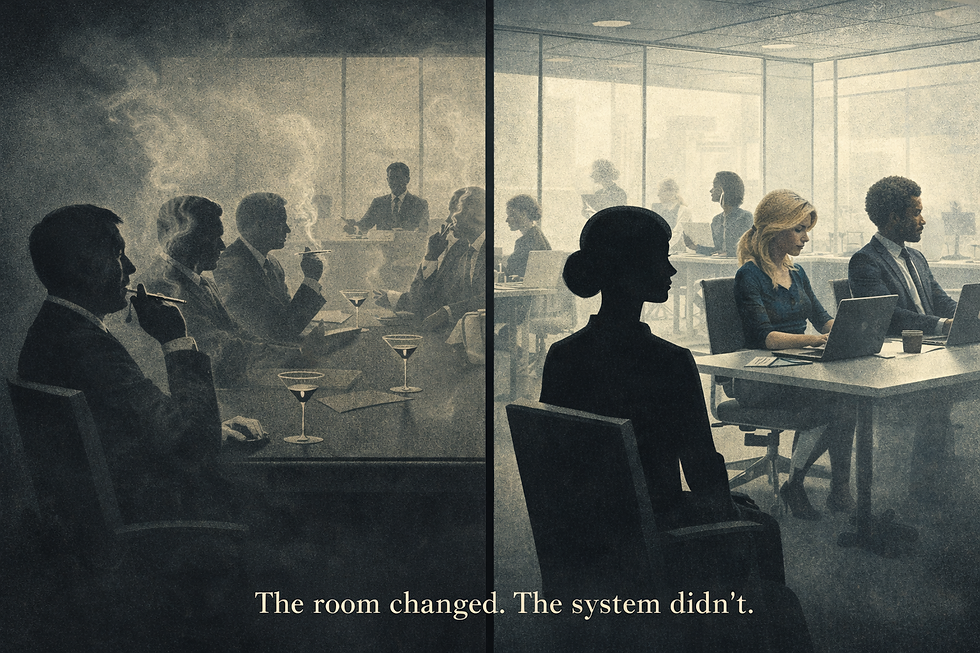
In the Emmy Award–winning television series Mad Men, advertising is portrayed as a world of glass offices, big ideas, and three-martini lunches. Women are present, but rarely centered. They manage details, conduct research, and keep campaigns moving, while decisions rise to men in corner offices.
It’s tempting to treat that era as distant history. But the lesson still matters: visibility and authority don’t always move together.

Today, women own roughly 42 percent of businesses nationwide. In Arkansas, women-led companies are concentrated across professional services, healthcare and social assistance, retail, food and hospitality, and administrative support. These aren’t symbolic roles. These are storefronts, practices, payrolls, and community anchors.
The shift from Mad Men to what I call Mad (Wo)Men isn’t about clever wordplay. It reflects a real change in who is building. Women today aren’t waiting for permission to participate in the economy. They’re creating it. They’re opening clinics, running shops, managing teams, serving clients, and keeping communities moving.
I see this locally in my own work. A majority of Woodruff Media clients have been women. Not because I set out to curate a demographic, but because women tend to build real businesses before building hype. They focus on operations, service, and sustainability first. The camera comes later. That difference matters.

Marketing culture still leans heavily toward spectacle. You see it in follower counts used as credentials. In beautifully edited videos that never explain what a business actually does. In websites full of buzzwords like “innovative,” “best practices,” and “next level,” but no pricing, no process, and no proof.
You see it when brands invest in ring lights before operations. When businesses launch reels before they understand their customers. When someone leads with reach instead of results. That kind of visibility looks impressive. But it doesn’t always translate to booked appointments, repeat customers, or sustainable growth. In real terms, it shows up as empty calendars, inconsistent revenue, and marketing that feels busy without being effective.
Progress doesn’t happen by default. It happens by design.
If you’re a business owner, the practical questions are simple. Who appears in your marketing? Who is actually doing the work? Who controls the story and the budget?
Then look closely at your language. Replace borrowed momentum with earned credibility. Say “here’s something I’ve noticed” instead of “everyone is saying.” Say “in our work, we’ve learned” instead of “clients always come to us.” These aren’t stylistic preferences. They’re truth choices.
Women-led businesses tend to understand this instinctively. Many grow through relationships, referrals, and repeat customers long before they invest in visibility. That patience creates resilience. It builds trust. It keeps marketing grounded in reality instead of performance.
That’s the real lesson of Mad (Wo)Men. Visibility works best when it reflects contribution, not just confidence.
At Woodruff Media, our philosophy is straightforward:
If we wouldn’t buy it, we don’t sell it. That applies to messaging as much as it does to design, video, or strategy. We help real businesses become visible without losing their voice, through social media, blogging, and radio advertising built on lived experience, not borrowed authority.
Women’s History Month isn’t about nostalgia. It’s about recognizing who is building now, and making sure visibility reflects reality.
Because visibility isn’t cosmetic. It’s economic.
Start the Conversation
If you’re building something real and want marketing that reflects your actual work, we’d love to learn more. Our client intake form helps us understand your business, your goals, and whether we’re a good fit to work together.
No pressure. Just clarity.
👉 Start here Written with AI assistance based on the author’s ideas, experience, and editorial direction.


Comments